๐ ADHD Medications
Research-Based Information & Clinical Understanding
๐ง Overview of ADHD Medications
ADHD medications are widely studied as part of evidence-based approaches to managing Attention-Deficit/Hyperactivity Disorder (ADHD). Clinical research has shown that medications can play a role in symptom management for some individuals when used under the guidance of licensed healthcare professionals.
At ADHDScienceLab, we present research-focused, educational information about ADHD medications based on clinical studies and scientific evidence.
๐งช How ADHD Medications Are Studied
ADHD medications are evaluated through structured clinical research to assess:
Effectiveness in reducing core ADHD symptoms
Cognitive and behavioral outcomes
Safety and tolerability
Short- and long-term effects
Variability in individual response
These studies follow established scientific and ethical standards to ensure accuracy and patient safety.
๐ Types of ADHD Medications
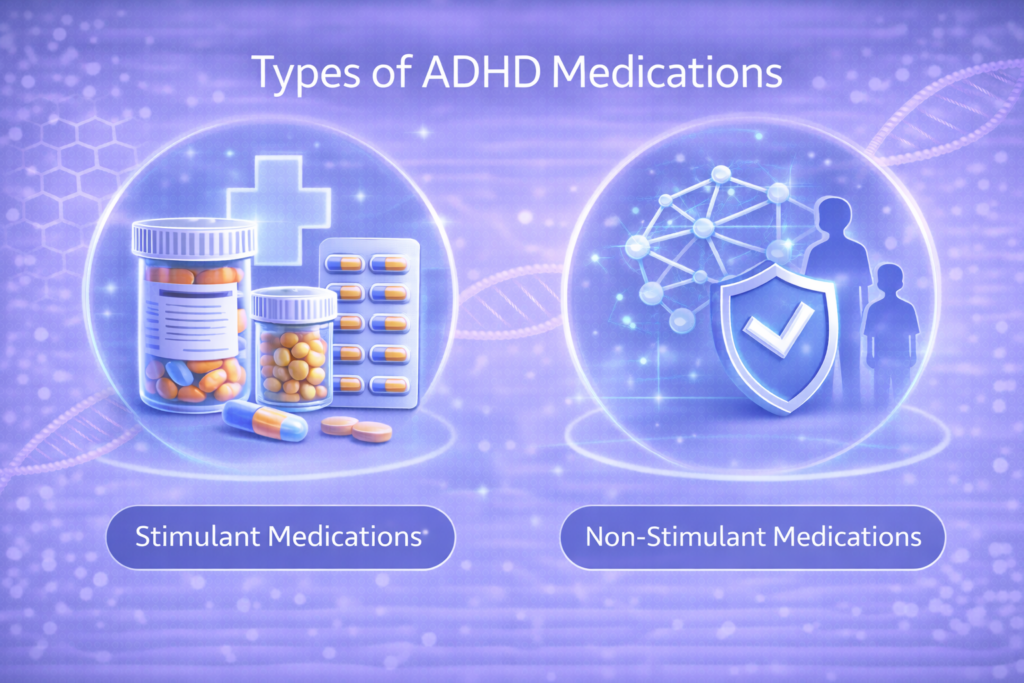
Clinical research generally groups ADHD medications into two main categories:
๐น Stimulant Medications
Stimulant medications are among the most extensively studied treatments in ADHD research. Studies examine their impact on attention, impulse control, and executive function.
Adderall is one of the commonly researched stimulant medications in ADHD clinical studies, with research focusing on effectiveness, duration of action, and safety profiles.
๐น Non-Stimulant Medications
Non-stimulant medications are also studied as alternative options. Research evaluates their role in symptom management, particularly for individuals who may not respond to stimulant treatments.
Clinical studies help determine when non-stimulant options may be appropriate within evidence-based care.
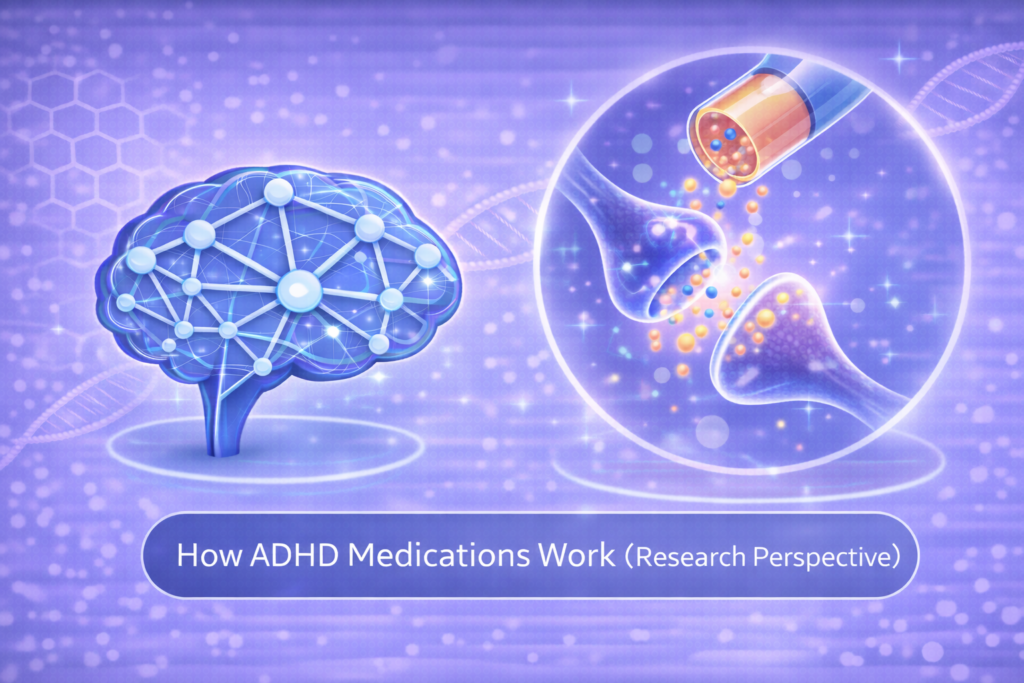
๐ง How ADHD Medications Work (Research Perspective)
From a scientific standpoint, ADHD medications are studied for their effects on brain signaling and neurotransmitter activity, particularly pathways involved in attention regulation and cognitive control.
Research focuses on how these medications influence neural communication rather than on subjective experience alone.
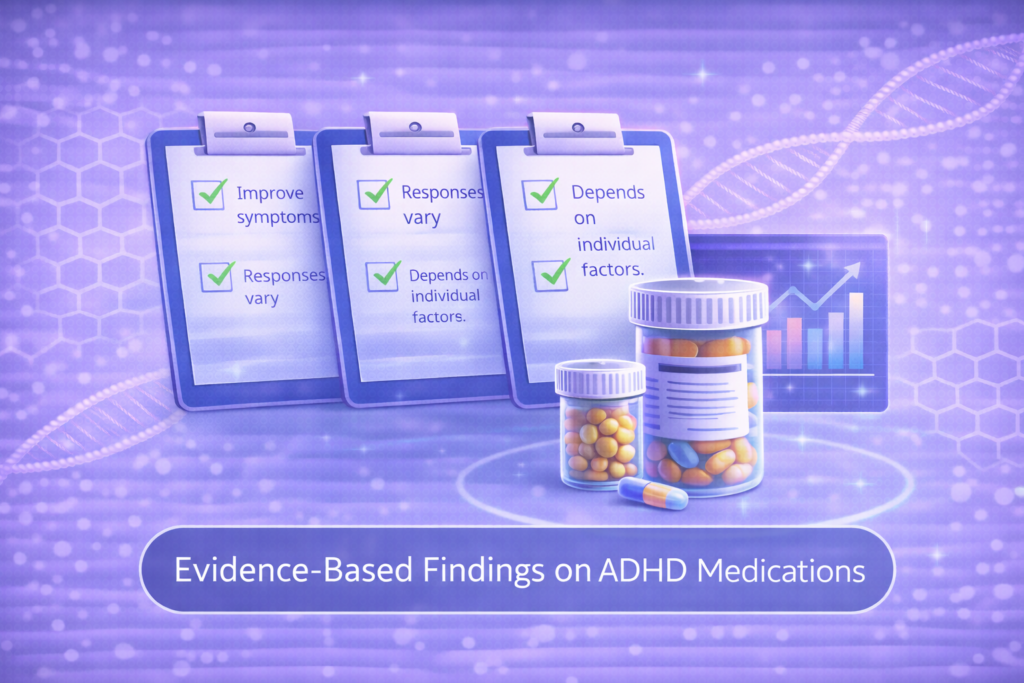
๐ Evidence-Based Findings on ADHD Medications
Research findings have contributed to several key conclusions:
ADHD medications can improve symptoms in some individuals
Responses to medication vary significantly
Effectiveness depends on individual neurological and developmental factors
Ongoing monitoring is an important component of clinical care
These findings guide clinical decision-making and treatment guidelines.
โ ๏ธ Safety & Clinical Oversight
Medication research emphasizes the importance of:
Appropriate clinical evaluation
Professional prescribing and monitoring
Ongoing assessment of benefits and risks
ADHD medications are prescription-only treatments and must be managed by qualified healthcare providers.
๐ Role of Medications in ADHD Care
Clinical research supports the use of medications as one component of ADHD care. Studies frequently examine medication use alongside behavioral, educational, and psychosocial approaches.
Evidence-based ADHD care often involves individualized treatment planning.
โ ๏ธ Medical Disclaimer
The information on this page is provided for educational and research purposes only.
It is not intended as medical advice, diagnosis, or treatment.
Always consult a licensed healthcare professional regarding ADHD medications.
ADHDScienceLab does not sell, prescribe, or promote medications.