
🧠 ADHD Neuroscience
Brain Function, Neurotransmitters & Scientific Research
🧬 Overview of ADHD Neuroscience
ADHD neuroscience focuses on understanding how brain structure, brain function, and neural signaling contribute to Attention-Deficit/Hyperactivity Disorder (ADHD). Advances in neuroscience have helped clarify that ADHD is a neurodevelopmental condition, not a behavioral choice or lack of effort.
Research in this field examines how specific brain regions develop, communicate, and regulate attention, impulse control, and executive function.
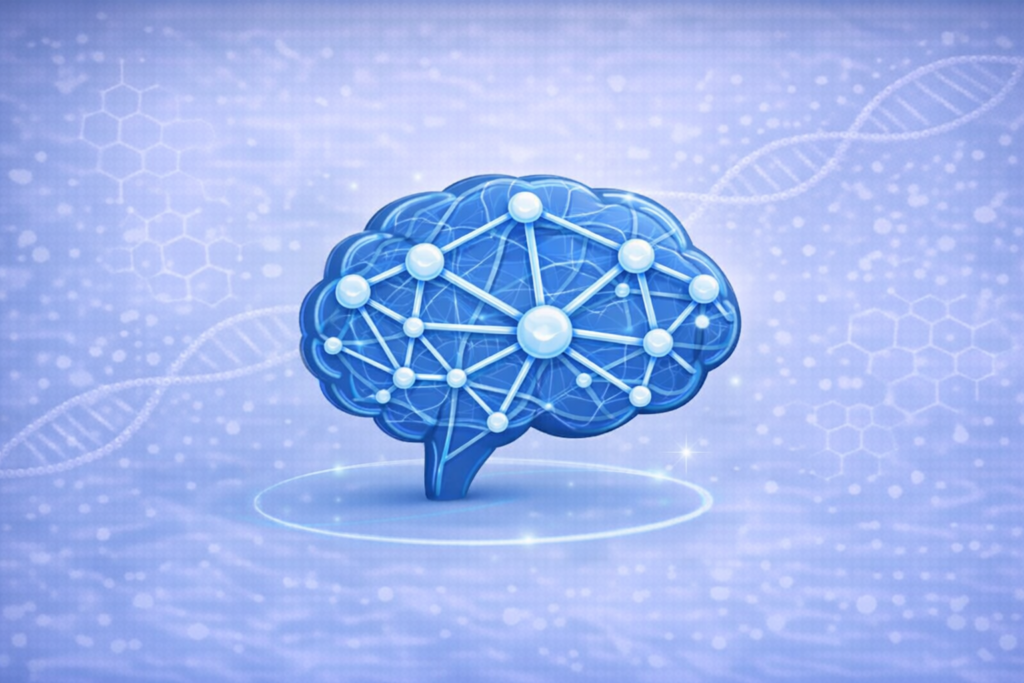

🧠 Brain Structure & Function in ADHD
Neuroscience research has identified differences in several brain regions commonly associated with ADHD, including areas involved in:
Attention regulation
Executive function
Emotional control
Impulse regulation
These differences do not indicate damage but reflect variations in brain development and connectivity. Brain imaging studies suggest that certain regions may mature differently or show altered communication patterns in individuals with ADHD.
🧪 Neurotransmitters and ADHD
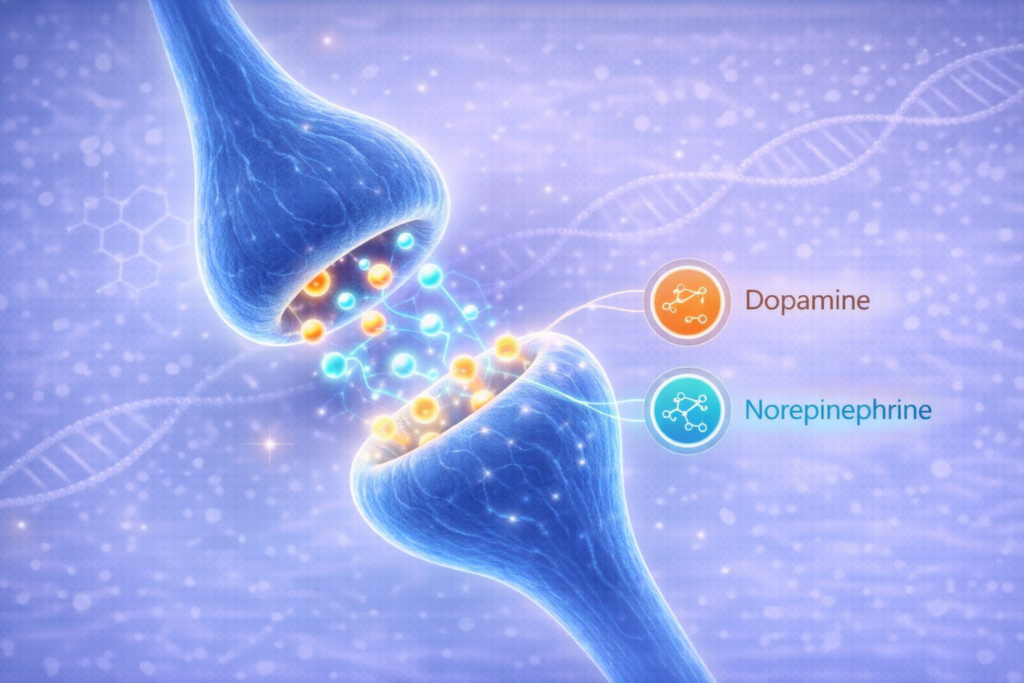
Neurotransmitters are chemical messengers that allow brain cells to communicate. ADHD neuroscience research has primarily focused on two key neurotransmitters:
Dopamine – involved in motivation, reward processing, and attention
Norepinephrine – involved in alertness, focus, and response regulation
Scientific studies suggest that altered signaling involving these neurotransmitters plays a role in ADHD symptoms. This understanding has guided much of the current research into ADHD treatments and clinical approaches.

🧠 Neuroscience Research Methods
Modern ADHD neuroscience relies on non-invasive research techniques to study brain activity and structure, including:
Brain imaging studies
Functional activity analysis
Cognitive and behavioral assessments
Longitudinal brain development research
These methods allow researchers to observe how the brain functions during attention-based tasks and how neural activity patterns differ across developmental stages.
📊 Evidence-Based Neuroscience Findings
Neuroscience research has contributed several well-supported findings, including:
ADHD involves measurable neurological differences
Brain development timing may vary between individuals
Neural connectivity plays a role in attention regulation
Cognitive control networks function differently in ADHD
These findings reinforce the scientific understanding of ADHD as a biologically grounded condition.


🔬 Ongoing Neuroscience Research
ADHD neuroscience continues to evolve, with ongoing research exploring:
Brain development across the lifespan
Genetic and environmental influences
Neural plasticity and adaptability
Improved research methodologies
Future studies aim to deepen understanding of ADHD while supporting evidence-based clinical practices.
⚠️ Medical Disclaimer
The content on this page is provided for educational and research purposes only.
It is not intended as medical advice, diagnosis, or treatment.
Always consult a licensed healthcare professional for medical guidance.