๐ ADHD Treatment Guidelines
Evidence-Based Standards & Clinical Frameworks
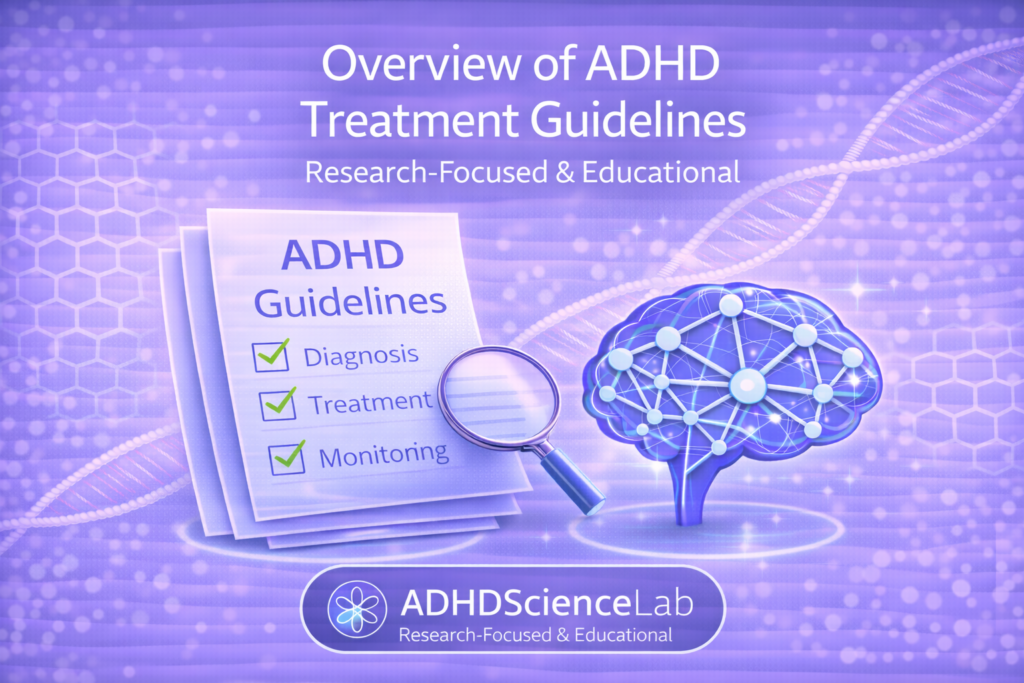
๐ง Overview of ADHD Treatment Guidelines
ADHD treatment guidelines are developed to support consistent, evidence-based clinical care for individuals with Attention-Deficit/Hyperactivity Disorder (ADHD). These guidelines are informed by decades of scientific research, clinical trials, and expert consensus.
At ADHDScienceLab, we present guideline information in a research-focused and educational format, helping readers understand how clinical standards are formed and applied.
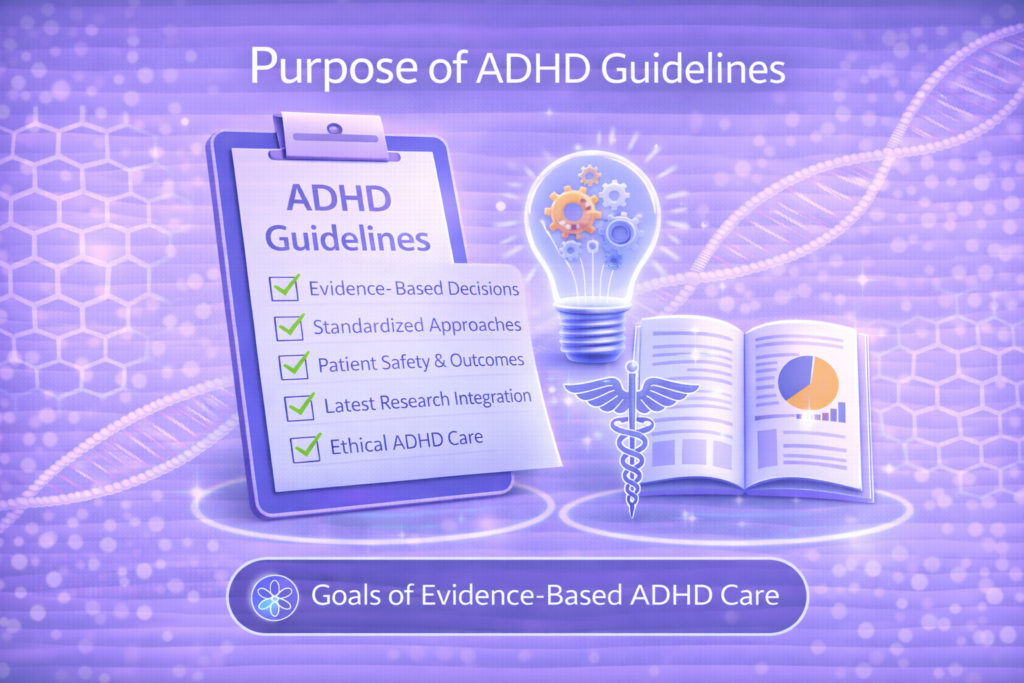
๐ Purpose of ADHD Guidelines
Treatment guidelines aim to:
Promote evidence-based clinical decision-making
Standardize diagnostic and treatment approaches
Improve patient safety and outcomes
Incorporate the latest scientific research
Support ethical and responsible ADHD care
Guidelines are updated periodically to reflect new research findings and clinical insights.
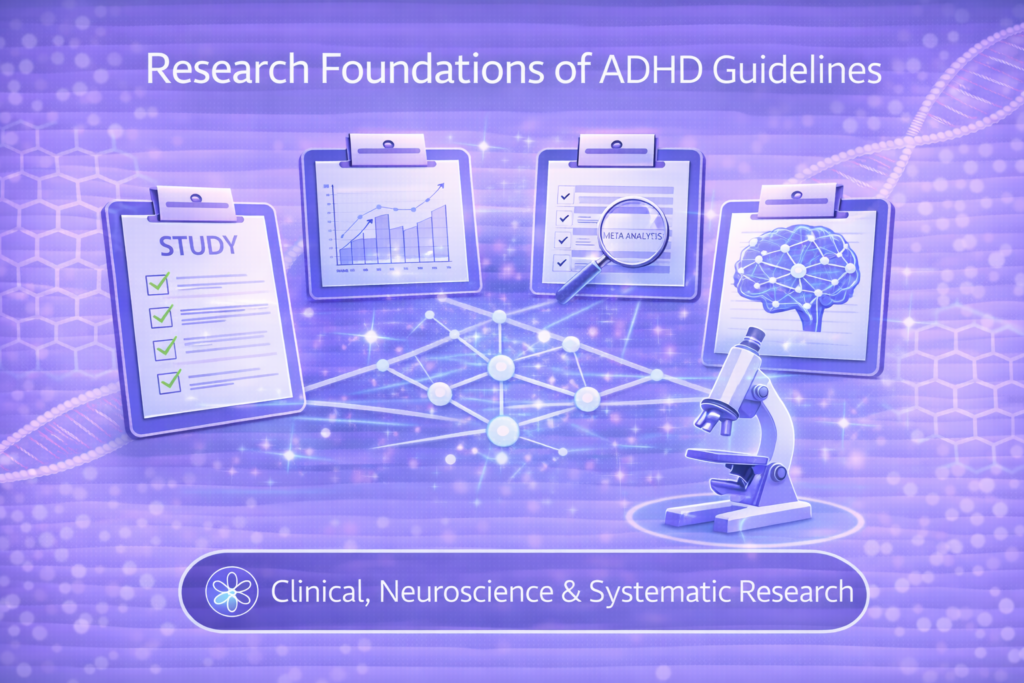
๐งช Research Foundations of ADHD Guidelines
ADHD guidelines are grounded in:
Peer-reviewed clinical studies
Longitudinal research data
Meta-analyses and systematic reviews
Neuroscience and developmental research
This research foundation ensures that recommendations reflect the best available scientific evidence rather than anecdotal experience.
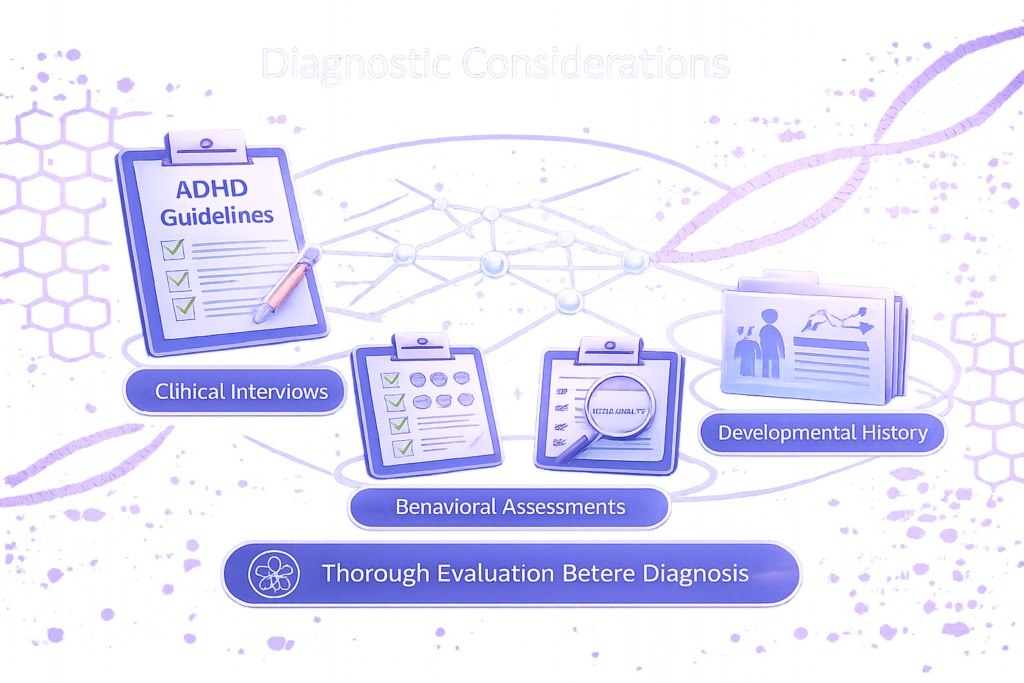
๐ง Diagnostic Considerations
Clinical guidelines emphasize the importance of thorough evaluation, which may include:
Clinical interviews
Behavioral assessments
Developmental history
Symptom criteria aligned with established diagnostic standards
Accurate diagnosis is essential before any treatment decisions are made.
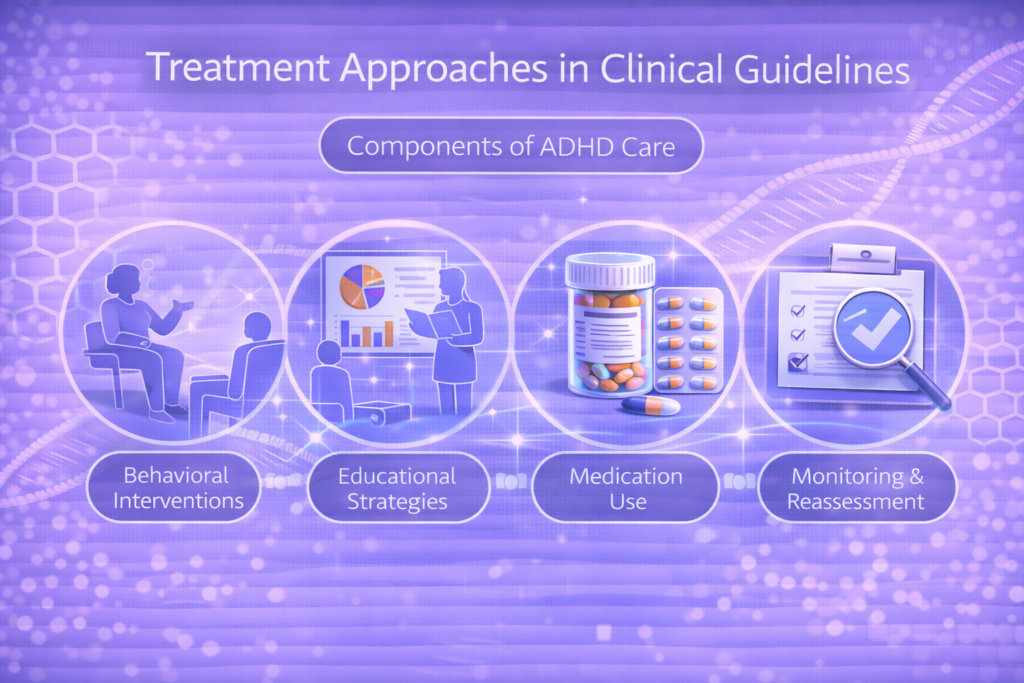
๐ Treatment Approaches in Clinical Guidelines
Research-based guidelines commonly address multiple components of ADHD care, including:
Behavioral and psychosocial interventions
Educational and environmental strategies
Medication use under professional supervision
Ongoing monitoring and reassessment
Guidelines emphasize individualized treatment planning, recognizing that ADHD presents differently across individuals.
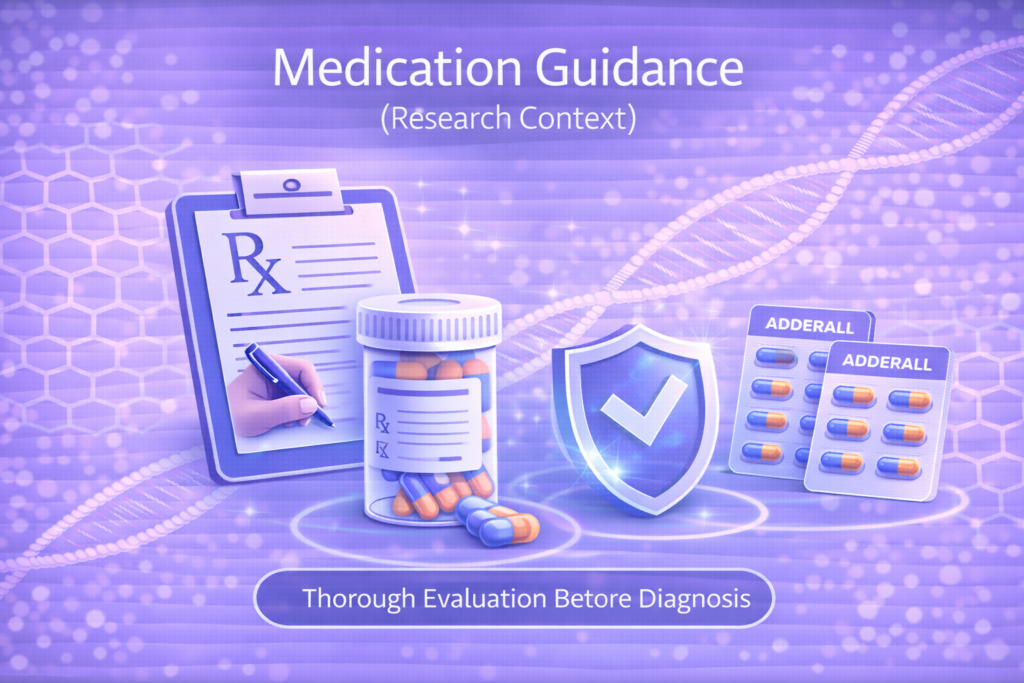
โ ๏ธ Medication Guidance (Research Context)
Clinical guidelines include research-based recommendations regarding medication use, focusing on:
When medication may be considered
Appropriate clinical oversight
Risk-benefit evaluation
Monitoring effectiveness and safety
Adderall and other medications are discussed in guidelines strictly within an evidence-based and regulatory framework.
ADHDScienceLab does not provide prescribing guidance or treatment recommendations.
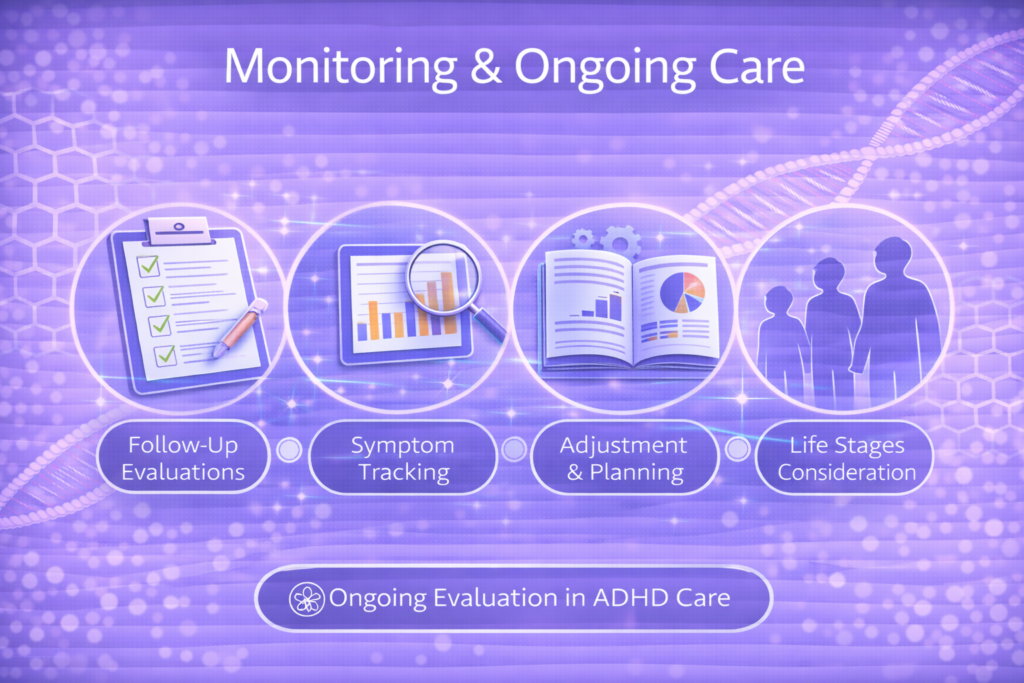
๐ Monitoring & Ongoing Care
Guidelines stress the importance of ongoing care, including:
Regular follow-up evaluations
Symptom tracking and outcome assessment
Adjustment of treatment approaches as needed
Long-term planning across life stages
Research supports continuous evaluation rather than one-time intervention.
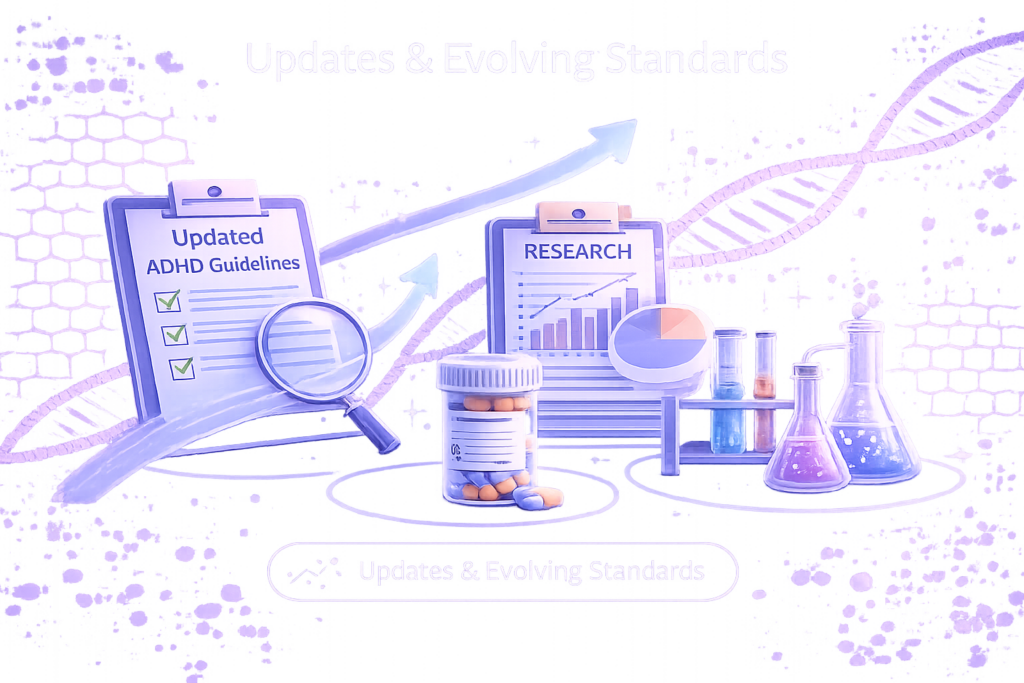
๐ฌ Updates & Evolving Standards
ADHD guidelines evolve as research advances. Ongoing studies contribute to:
Refinement of diagnostic criteria
Improved treatment strategies
Enhanced understanding of long-term outcomes
Integration of new scientific insights
Staying aligned with updated guidelines helps ensure responsible, evidence-based care.
โ ๏ธ Medical Disclaimer
The information on this page is provided for educational and research purposes only.
It is not intended as medical advice, diagnosis, or treatment.
Always consult a licensed healthcare professional for ADHD-related medical decisions.