
Adderall Like Drugs Over the Counter: A Complete Science-Backed Guide

Adderall-Like Drugs Over the Counter: A Complete Science-Backed Guide
Adderall, a prescription medication containing amphetamine and dextroamphetamine, is widely used in the treatment of Attention-Deficit/Hyperactivity Disorder (ADHD) and narcolepsy. As a Schedule II controlled substance in the United States, Adderall is tightly regulated due to its strong stimulant effects and its potential for misuse, dependence, and cardiovascular side effects. Adderall Like Drugs Over the Counter
From a clinical perspective, Adderall works by increasing the availability of dopamine and norepinephrine in the brain—two neurotransmitters central to attention regulation, motivation, and impulse control. For many individuals, this results in improved focus, sustained attention, and reduced distractibility. However, these benefits often come with drawbacks, including insomnia, appetite suppression, anxiety, elevated heart rate, and concerns around long-term dependency. Adderall Like Drugs Over the Counter
Because of these limitations, a growing number of people search for over-the-counter (OTC) alternatives that support focus and cognitive performance without the risks associated with prescription stimulants. It is important to state clearly from the outset: no OTC supplement can replicate the full pharmacological effects of Adderall. Supplements are not FDA-approved treatments for ADHD, and they do not act with the same speed or intensity as prescription amphetamines.
That said, scientific research has identified several natural compounds and nutritional interventions that demonstrate measurable cognitive benefits. These substances work through different mechanisms—such as supporting neurotransmitter production, enhancing cerebral blood flow, reducing mental fatigue, or improving brain cell health—rather than directly stimulating the central nervous system. Adderall Like Drugs Over the Counter
This guide from ADHDScienceLab.com provides a research-driven, evidence-based examination of the most commonly discussed OTC alternatives to Adderall. Each compound is evaluated based on what clinical studies actually show, how it compares mechanistically to prescription stimulants, and what limitations or safety considerations should be understood before use.
The goal of this guide is education, not promotion—to help readers understand the science behind OTC cognitive support options and how they fit within a broader, responsible approach to ADHD management.
Why People Look for OTC Adderall Alternatives
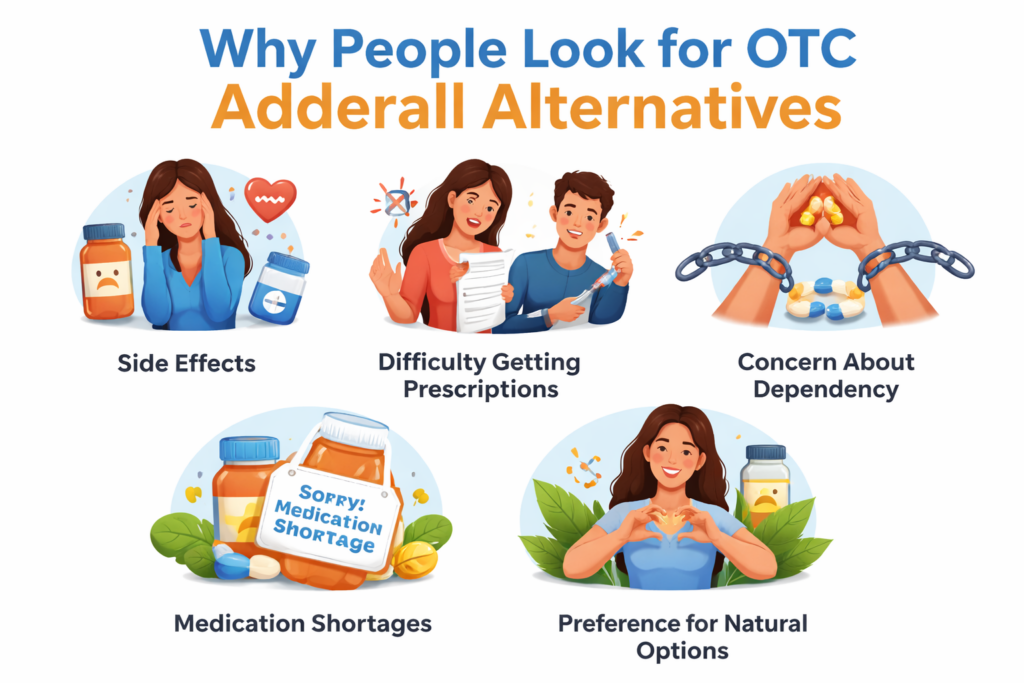
Adderall is classified as a Schedule II controlled substance by the U.S. Drug Enforcement Administration (DEA), a category reserved for medications with recognized medical use but a high potential for misuse and dependence. While Adderall can be effective for some individuals with ADHD, its regulatory status and side-effect profile lead many people to explore non-prescription alternatives. Adderall Like Drugs Over the Counter
One of the most common reasons is side effects associated with stimulant medications. Clinical reports and patient experiences frequently cite insomnia, appetite suppression, increased heart rate, anxiety, irritability, and mood changes. For some individuals, these effects outweigh the cognitive benefits, particularly during long-term use. Adderall Like Drugs Over the Counter
Another factor is access and availability. Prescription stimulants require evaluation and ongoing monitoring by a licensed healthcare provider. Barriers such as healthcare costs, limited provider availability, insurance restrictions, and regional prescribing regulations can make consistent access difficult. In recent years, Adderall shortages and supply disruptions have further increased interest in non-prescription cognitive support options.
Some individuals also seek OTC alternatives due to personal preference. There is growing interest in natural, nutritional, and holistic approaches to brain health and cognitive performance. These individuals may prefer interventions that support underlying brain function rather than directly stimulating the central nervous system. Adderall Like Drugs Over the Counter
Concerns about long-term dependency also play a role. Research has shown that prolonged stimulant use can lead to tolerance in some individuals, requiring dosage adjustments over time. While this does not occur in all patients, the possibility of dependence motivates some people to explore lower-risk strategies for supporting attention and focus.
Finally, OTC alternatives are often viewed as adjuncts rather than replacements. Some people use supplements and lifestyle interventions alongside prescribed treatments, while others explore them during periods when prescription medication is not available or not desired.
It is important to emphasize that OTC supplements are not FDA-approved treatments for ADHD and should not replace professional medical care. However, scientific research has identified several compounds that may provide modest, measurable cognitive benefits, which explains why interest in these alternatives continues to grow. Adderall Like Drugs Over the Counter
How Adderall Works (And How OTC Alternatives Compare)
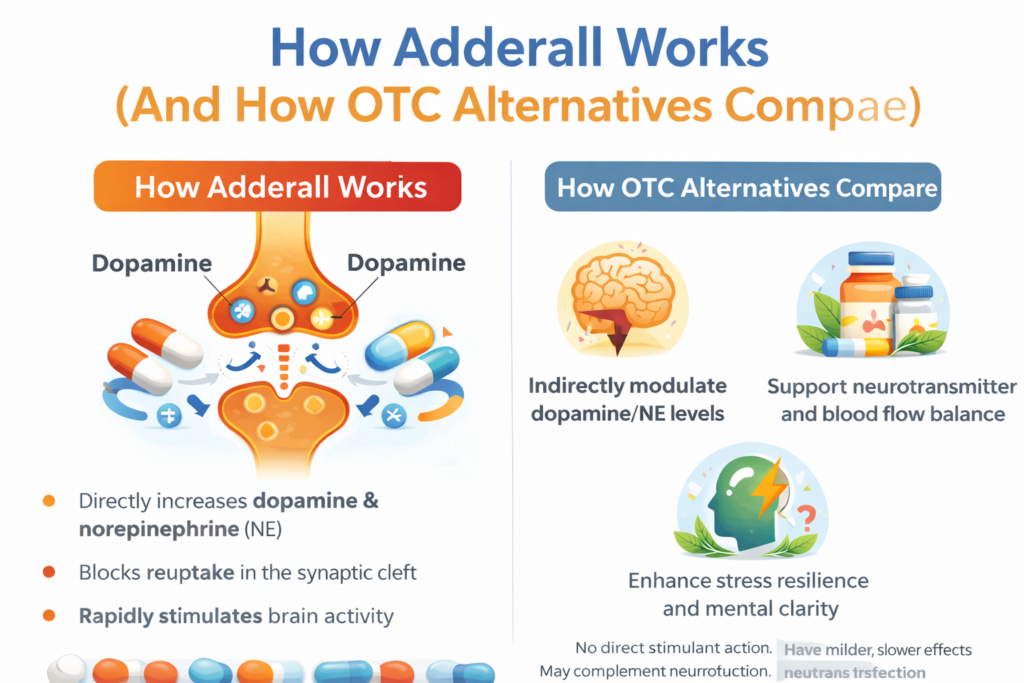
To understand why over-the-counter alternatives cannot fully replicate Adderall, it is important to first examine how Adderall works at the neurochemical level. Adderall contains a combination of amphetamine salts that directly act on the central nervous system, producing strong and immediate stimulant effects.
How Adderall Affects the Brain
Adderall increases levels of dopamine and norepinephrine by:
- Stimulating the release of these neurotransmitters from presynaptic neurons
- Blocking their reuptake, allowing them to remain active in the synapse longer
- Increasing overall neuronal firing in attention-related brain regions, particularly the prefrontal cortex
These actions result in heightened alertness, improved sustained attention, faster reaction time, and reduced impulsivity. Because these effects are direct and pharmacologically powerful, Adderall typically produces noticeable results within minutes to hours of ingestion. Adderall Like Drugs Over the Counter
However, this same mechanism also explains the drug’s risk profile. Rapid neurotransmitter elevation places stress on the cardiovascular system and increases the potential for tolerance, misuse, and dependency—factors that contribute to its Schedule II classification.
How OTC Alternatives Work Differently
In contrast, OTC supplements do not directly force neurotransmitter release. Instead, they support cognitive function through indirect and regulatory pathways, which generally produce milder and slower effects.
Common mechanisms include:
- Neurotransmitter precursor support
Compounds such as citicoline or amino acids provide the raw materials the brain uses to synthesize dopamine, acetylcholine, or norepinephrine. - Modulation of neurotransmitter signaling
Certain supplements influence receptor sensitivity or neurotransmitter breakdown rather than stimulating release. Adderall Like Drugs Over the Counter - Improved cerebral blood flow
Ingredients like Ginkgo biloba enhance oxygen and nutrient delivery to brain tissue, supporting mental clarity and processing speed. - Stress and fatigue regulation
Adaptogens such as Rhodiola rosea help regulate the stress response, which can indirectly improve attention and mental endurance. - Structural brain support
Nutrients such as omega-3 fatty acids support neuronal membrane integrity and long-term brain health.
Because these mechanisms are supportive rather than stimulatory, OTC alternatives typically require consistent use over days or weeks to produce noticeable effects. Adderall Like Drugs Over the Counter
Key Differences at a Glance
| Feature | Adderall | OTC Alternatives |
| Dopamine & norepinephrine increase | Direct and potent | Indirect and gradual |
| Onset of effects | Minutes to hours | Days to weeks |
| Risk of dependence | High (Schedule II) | Low to none (most supplements) |
| FDA-approved for ADHD | Yes | No |
| Side-effect profile | Cardiovascular and psychiatric risks | Generally mild |
| Suitable for long-term support | Limited by tolerance | Often used long-term |
What This Means in Practice
OTC alternatives should be viewed as cognitive support tools, not replacements for prescription stimulant medications. While they cannot match the immediate potency of Adderall, their lower risk profile and supportive mechanisms make them appealing to individuals seeking gentler, non-prescription approaches to attention and focus. Adderall Like Drugs Over the Counter
The sections that follow examine the most studied OTC alternatives, evaluating what clinical research actually shows about their effectiveness, limitations, and appropriate use..
Evidence-Based OTC Alternatives to Adderall
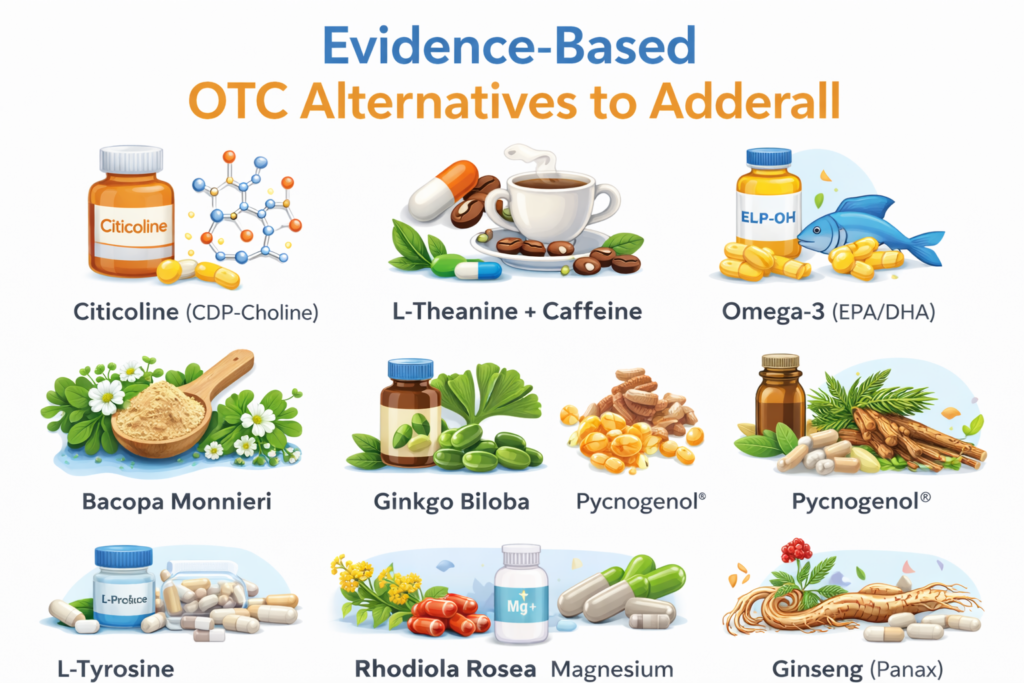
While no over-the-counter (OTC) supplement can replicate the pharmacological strength of Adderall, scientific research has identified several non-prescription compounds that demonstrate measurable benefits for attention, cognitive performance, and mental clarity. These substances work through supportive neurological mechanisms rather than direct central nervous system stimulation.
The alternatives below are evaluated based on peer-reviewed research, safety profiles, and relevance to ADHD-related cognitive challenges. Adderall Like Drugs Over the Counter
1. Citicoline (CDP-Choline)
What It Is
Citicoline is a naturally occurring compound composed of choline and cytidine. In the brain, it contributes to the synthesis of acetylcholine, a neurotransmitter essential for memory, attention, and learning. Citicoline also supports dopamine and norepinephrine signaling.
What the Science Shows
Clinical research indicates that citicoline supports brain energy metabolism, neuronal membrane repair, and neurotransmitter production. A 2023 review highlighted its potential cognitive benefits and strong safety profile. While not an ADHD treatment, citicoline has shown promise for improving attention and mental processing speed. Adderall Like Drugs Over the Counter
Research-Based Dosage
250–500 mg per day
Evidence Strength
Moderate
2. L-Theanine + Caffeine
What It Is
L-theanine is an amino acid commonly found in green tea that promotes a calm, focused mental state by increasing alpha brain wave activity. When combined with caffeine, it produces a synergistic effect that enhances alertness while reducing jitteriness.
What the Science Shows
Multiple randomized controlled studies demonstrate that the L-theanine–caffeine combination improves attention accuracy, reaction time, and inhibitory control. Functional MRI studies show reduced mind-wandering activity and improved task engagement. Importantly, the combination performs better than caffeine alone. Adderall Like Drugs Over the Counter
Research-Based Dosage
L-theanine: 100–200 mg
Caffeine: 50–160 mg
Common ratio: 2:1 (L-theanine to caffeine)
Evidence Strength
Strong
3. Omega-3 Fatty Acids (EPA & DHA)
What It Is
Omega-3 fatty acids are essential components of brain cell membranes and play a critical role in neurotransmitter signaling and neurodevelopment.
What the Science Shows
Meta-analyses involving children and adults with ADHD show small but significant improvements in attention and behavioral symptoms, particularly with higher EPA intake and longer supplementation periods. Individuals with ADHD often exhibit lower omega-3 blood levels and impaired fatty acid metabolism. Adderall Like Drugs Over the Counter
Research-Based Dosage
EPA: 500–1,000 mg per day
DHA: 200–500 mg per day
Minimum duration: 4 months
Evidence Strength
Strong (long-term use)
4. Bacopa Monnieri
What It Is
Bacopa monnieri is an Ayurvedic herb traditionally used to support memory and cognitive function. Its active compounds, known as bacosides, influence dopamine signaling and synaptic communication. Adderall Like Drugs Over the Counter
What the Science Shows
Clinical studies in children with ADHD report reductions in inattention, restlessness, and learning difficulties after consistent supplementation. Randomized controlled trials also demonstrate improvements in executive function and cognitive flexibility.
Research-Based Dosage
225–600 mg per day (standardized extract)
Evidence Strength
Moderate to strong
5. Ginkgo Biloba
What It Is
Ginkgo biloba extract improves cerebral blood flow and modulates neurotransmitter systems involved in attention and memory.
What the Science Shows
Clinical trials show that Ginkgo biloba may reduce inattention scores, particularly when used alongside conventional treatments. While less effective as a standalone option, it demonstrates value as a complementary cognitive support. Adderall Like Drugs Over the Counter
Research-Based Dosage
80–240 mg per day
Evidence Strength
Moderate
How to Interpret These Findings
These OTC alternatives differ substantially in mechanism, onset, and strength. Most require consistent use over weeks or months and produce subtle improvements rather than dramatic changes. Their value lies in supporting brain health and cognitive function, not replacing prescription medications.
The following sections explore additional supplements, lifestyle strategies, and safety considerations that further contextualize these findings. Adderall Like Drugs Over the Counter
Additional OTC Alternatives & Emerging Compounds
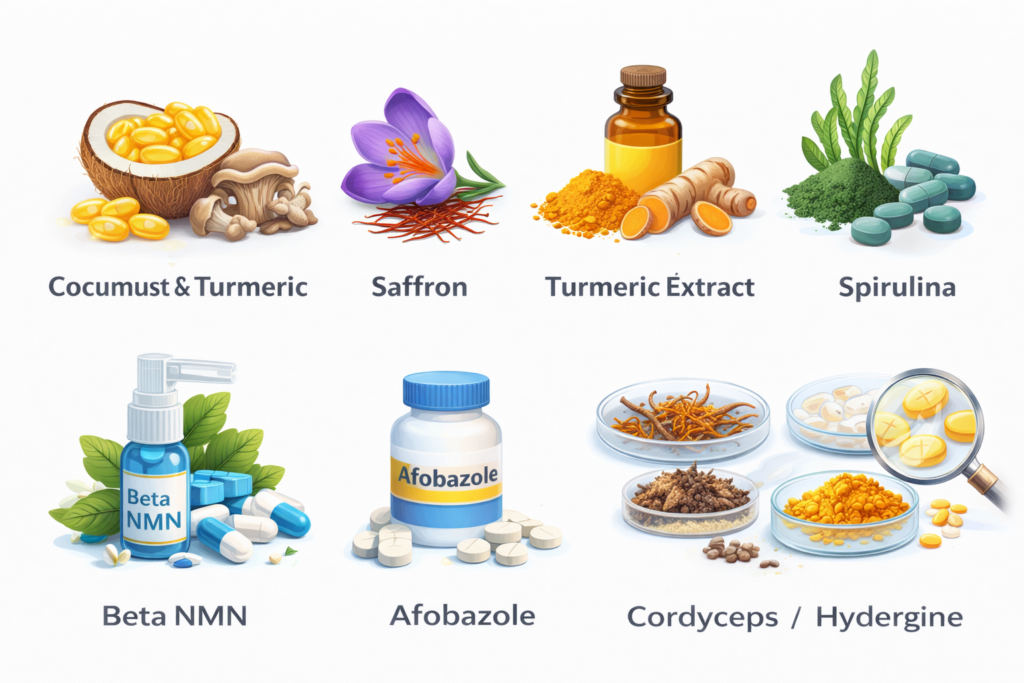
Beyond the most commonly discussed supplements, research has explored several additional compounds that may provide supportive cognitive benefits relevant to ADHD-related challenges. While the evidence for these options varies in strength, they are frequently included in broader, non-prescription cognitive support strategies.
6. Pycnogenol® (French Maritime Pine Bark Extract)
What It Is
Pycnogenol® is a standardized extract from French maritime pine bark, rich in polyphenols with antioxidant and anti-inflammatory properties. Adderall Like Drugs Over the Counter
What the Science Shows
Randomized, placebo-controlled studies have shown that Pycnogenol supplementation can reduce hyperactivity and impulsivity and modestly improve attention in children with ADHD. Some trials report improvements comparable to conventional treatments in certain symptom domains, though effects are generally milder.
Proposed mechanisms include reduced oxidative stress, modulation of neurotransmitter balance, and improved cerebral blood flow.
Research-Based Dosage
Approximately 1 mg per kilogram of body weight per day
Evidence Strength
Moderate to strong
7. L-Tyrosine
What It Is
L-tyrosine is an amino acid precursor to dopamine and norepinephrine—the same neurotransmitters targeted by stimulant medications. Adderall Like Drugs Over the Counter
What the Science Shows
Early studies in adults with ADHD showed short-term improvement in some participants, but benefits diminished within weeks due to tolerance. Subsequent research has not supported L-tyrosine as an effective long-term ADHD intervention.
Research suggests L-tyrosine may be more useful for temporary cognitive support under acute stress rather than for chronic ADHD symptoms.
Research-Based Dosage
500–2,000 mg per day
Evidence Strength
Weak for ADHD-specific outcomes
8. Rhodiola Rosea
What It Is
Rhodiola rosea is an adaptogenic herb that supports stress resilience and mental endurance by influencing dopamine and serotonin signaling.
What the Science Shows
Studies indicate Rhodiola may improve attention, reduce mental fatigue, and enhance cognitive performance under stress. While direct ADHD-specific trials are limited, its ability to regulate stress responses may indirectly support focus in individuals prone to cognitive overload. Adderall Like Drugs Over the Counter
Research-Based Dosage
200–600 mg per day (standardized extract)
Evidence Strength
Moderate
9. Magnesium
What It Is
Magnesium is an essential mineral involved in neurotransmitter regulation, nerve signaling, and relaxation of the nervous system.
What the Science Shows
Research suggests that magnesium deficiency is more common in individuals with ADHD. Supplementation may reduce hyperactivity and improve emotional regulation, particularly when correcting an underlying deficiency.
Magnesium is often considered a supportive nutrient rather than a primary cognitive enhancer.
Research-Based Dosage
200–400 mg per day
(Forms commonly studied include magnesium glycinate and magnesium L-threonate)
Evidence Strength
Moderate
10. Ginseng (Panax Ginseng / Korean Red Ginseng)
What It Is
Ginseng is a traditional herbal remedy whose active compounds, known as ginsenosides, influence dopamine and norepinephrine activity.
What the Science Shows
Clinical studies in children with ADHD show improvements in inattention, impulsivity, and emotional regulation after several weeks of supplementation. Some evidence suggests enhanced benefits when combined with omega-3 fatty acids. Adderall Like Drugs Over the Counter
Research-Based Dosage
200–400 mg per day (standardized extract)
Evidence Strength
Moderate
Putting These Alternatives in Context
These additional OTC options vary widely in effect size, mechanism, and clinical support. Most demonstrate modest benefits, and none should be viewed as direct substitutes for prescription stimulant medications. Their greatest value lies in supporting overall brain health, stress regulation, and cognitive resilience.
The next section summarizes these findings in a side-by-side comparison and places them within a broader ADHD management framework. Adderall Like Drugs Over the Counter
Comparison Table: OTC Adderall Alternatives at a Glance
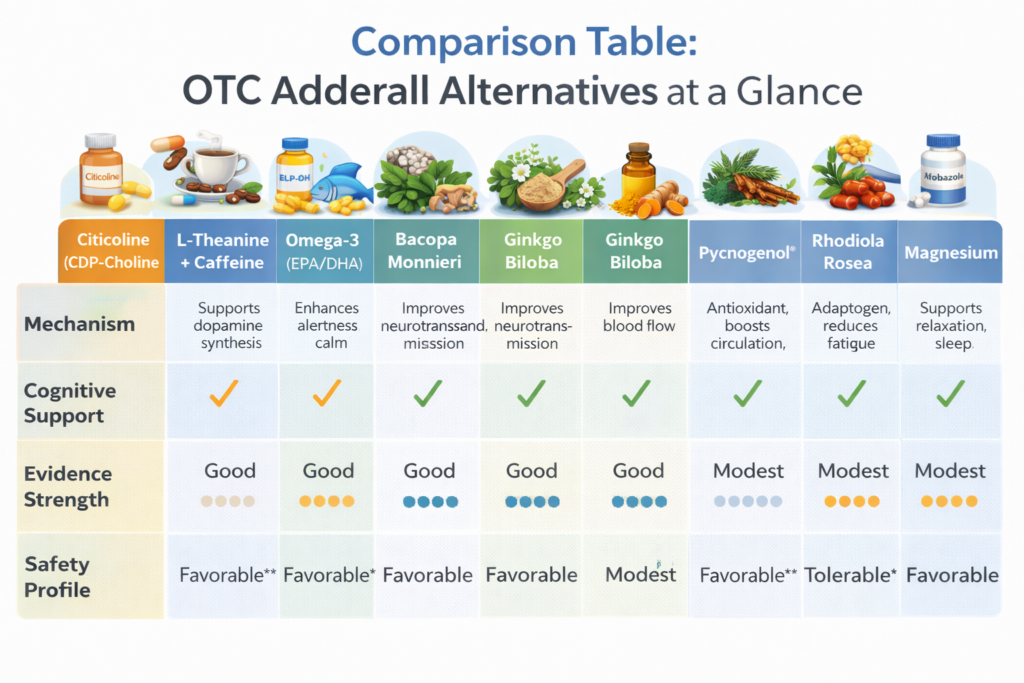
The table below summarizes the most commonly studied over-the-counter alternatives to Adderall, comparing their primary cognitive benefits, strength of scientific evidence, typical dosages, and expected onset of effects.
| Supplement | Primary Cognitive Benefit | Evidence Strength | Typical Dosage | Onset Time |
| Citicoline (CDP-Choline) | Memory, attention, dopamine support | Moderate | 250–500 mg/day | 2–4 weeks |
| L-Theanine + Caffeine | Focus, inhibitory control, reduced mind wandering | Strong | 200 mg + 100 mg | Minutes to hours |
| Omega-3 (EPA/DHA) | Attention, brain health, symptom reduction | Strong (long-term) | 750–1,500 mg/day | 4+ months |
| Bacopa Monnieri | Inattention, hyperactivity, memory | Moderate–Strong | 225–600 mg/day | 8–12 weeks |
| Ginkgo Biloba | Inattention, cerebral blood flow | Moderate | 80–240 mg/day | 2–6 weeks |
| Pycnogenol® | Hyperactivity, impulsivity, attention | Moderate–Strong | ~1 mg/kg/day | 4–10 weeks |
| L-Tyrosine | Short-term stress-related focus | Weak for ADHD | 500–2,000 mg/day | Hours (tolerance develops) |
| Rhodiola Rosea | Mental fatigue, stress resilience | Moderate | 200–600 mg/day | 1–4 weeks |
| Magnesium | Hyperactivity, nervous system regulation | Moderate | 200–400 mg/day | 2–8 weeks |
| Ginseng (Panax) | Inattention, impulsivity | Moderate | 200–400 mg/day | 4–8 weeks |
How to Use This Comparison
- Fastest effects: L-theanine + caffeine
- Strongest long-term evidence: Omega-3 fatty acids
- Best overall cognitive balance: Citicoline, Bacopa, Pycnogenol
- Supportive, not primary: Magnesium, Rhodiola, Ginkgo
- Limited ADHD utility: L-tyrosine
This comparison highlights why OTC options are best viewed as supportive tools rather than replacements for prescription ADHD medications.
Lifestyle Strategies That Complement OTC Alternatives
While supplements may offer modest cognitive support, research consistently shows that lifestyle interventions play a critical role in managing ADHD-related attention and executive function challenges. In many cases, these strategies enhance the effectiveness of both prescription treatments and OTC alternatives. Adderall Like Drugs Over the Counter
Regular Physical Activity
Aerobic exercise is one of the most well-supported non-pharmacological interventions for ADHD.
Research shows that physical activity:
- Increases dopamine and norepinephrine availability
- Improves executive function and working memory
- Reduces impulsivity and hyperactivity
- Enhances mood and stress regulation
Even 20–30 minutes of moderate exercise (walking, cycling, swimming) can produce short-term improvements in focus and mental clarity. Adderall Like Drugs Over the Counter
Sleep Quality and Circadian Consistency
Sleep disturbances are common in individuals with ADHD and are strongly associated with worsened attention, emotional regulation, and impulse control.
Evidence supports:
- Maintaining consistent sleep and wake times
- Limiting screen exposure before bed
- Ensuring 7–9 hours of sleep for adults
- Addressing sleep disorders when present
Improved sleep often results in measurable improvements in daytime attention and behavior.
Nutrition and Blood Sugar Stability
Dietary patterns influence neurotransmitter production and energy regulation.
Research-supported strategies include:
- Regular meals with adequate protein
- Balanced intake of complex carbohydrates and healthy fats
- Avoiding long fasting periods that destabilize blood sugar
- Ensuring sufficient intake of micronutrients (iron, zinc, magnesium)
Stable energy levels support sustained attention and reduce cognitive fatigue. Adderall Like Drugs Over the Counter
Mindfulness and Attention Training
Mindfulness-based interventions have shown growing evidence for ADHD symptom management.
Benefits include:
- Improved attention regulation
- Reduced mind wandering
- Enhanced emotional control
- Lower stress reactivity
Studies suggest that 5–15 minutes of daily mindfulness practice can produce measurable cognitive benefits over time. Adderall Like Drugs Over the Counter
Environmental and Behavioral Structure
External structure can compensate for internal attention regulation challenges.
Effective strategies include:
- Task chunking and prioritization
- Minimizing visual and digital distractions
- Using timers and reminders
- Creating consistent routines
These approaches are especially helpful when combined with cognitive support supplements. Adderall Like Drugs Over the Counter
Cognitive Behavioral Therapy (CBT)
CBT is one of the most evidence-based psychological interventions for ADHD.
Research shows CBT can:
- Improve executive functioning
- Reduce emotional dysregulation
- Enhance coping strategies
- Improve long-term outcomes
CBT is frequently used alongside medication or lifestyle interventions for optimal results. Adderall Like Drugs Over the Counter
Why Lifestyle Matters
Supplements and medications work best when the brain is supported by adequate sleep, nutrition, physical activity, and behavioral structure. Lifestyle strategies address the root systems that influence attention, making them foundational to any ADHD management plan.
Important Safety Disclaimers
Over-the-counter supplements discussed in this guide are not FDA-approved treatments for ADHD and should not be viewed as substitutes for prescription medication, professional diagnosis, or medical care. While many compounds show promising cognitive benefits in clinical research, their effects are supportive rather than therapeutic. Adderall Like Drugs Over the Counter
Not a Replacement for Medical Care
- Supplements cannot replace evaluation or treatment by a licensed healthcare professional
- ADHD is a medical condition that requires individualized assessment
- Decisions about starting, stopping, or changing treatment should always involve a qualified clinician
Potential Drug–Supplement Interactions
Some OTC supplements can interact with medications, including:
- Ginkgo biloba and blood-thinning medications
- Ginseng and blood pressure or stimulant medications
- Magnesium and certain antibiotics
- Caffeine-containing supplements and prescription stimulants
Always disclose supplement use to a healthcare provider, especially if taking ADHD medication or other prescriptions. Adderall Like Drugs Over the Counter
Variability in Supplement Quality
Dietary supplements are not regulated to the same standards as pharmaceuticals. This means:
- Ingredient potency may vary between brands
- Product purity and labeling accuracy are not guaranteed
- Some products may contain undeclared ingredients
Choosing third-party tested products can reduce—but not eliminate—risk.
Individual Responses Vary
Cognitive response to supplements differs widely based on:
- Genetics
- Age
- Diet and lifestyle
- Existing medical conditions
What works modestly for one individual may have little effect for another. Adderall Like Drugs Over the Counter
Use as Part of a Broader ADHD Strategy
OTC alternatives are best used as part of a comprehensive ADHD management approach, which may include:
- Medical care
- Behavioral therapy
- Lifestyle interventions
- Nutritional support
They should not be relied upon as standalone solutions.
Educational Purpose Only
All information on ADHDScienceLab.com is provided for educational and research purposes only.
It does not constitute medical advice, diagnosis, or treatment.
If you suspect ADHD or are experiencing attention-related challenges, consult a licensed healthcare professional. Adderall Like Drugs Over the Counter
Frequently Asked Questions (FAQs)
1. Are there any over-the-counter drugs that work like Adderall?
No over-the-counter supplement works the same way as Adderall. Adderall is a prescription stimulant that directly increases dopamine and norepinephrine in the brain. OTC alternatives may support focus and cognitive performance through indirect mechanisms but cannot replicate Adderall’s pharmacological effects. Adderall Like Drugs Over the Counter
2. Can supplements replace Adderall for ADHD?
Supplements cannot replace prescription ADHD medications. While some OTC compounds show modest cognitive benefits, they are not FDA-approved treatments for ADHD and should not be used as substitutes for medical care or prescribed medication.
3. What is the closest OTC alternative to Adderall?
There is no true equivalent. However, combinations such as L-theanine with caffeine, citicoline, and omega-3 fatty acids are among the most researched options for supporting attention and mental clarity, though their effects are milder and slower than Adderall. Adderall Like Drugs Over the Counter
4. Are OTC Adderall alternatives safe to use?
Many OTC supplements have favorable safety profiles when used appropriately, but safety depends on dosage, individual health status, and potential interactions with medications. Always consult a healthcare professional before starting any supplement.
5. How long do OTC alternatives take to work?
Unlike Adderall, which works within hours, most OTC supplements require consistent use over weeks or months to produce noticeable effects. Some combinations, such as caffeine with L-theanine, may have more immediate effects. Adderall Like Drugs Over the Counter
6. Do OTC alternatives help adults and children with ADHD?
Research varies by supplement and age group. Some studies focus on children, others on adults. OTC supplements should never be given to children without medical supervision, especially those containing stimulants like caffeine.
7. Are natural supplements regulated like prescription drugs?
No. Dietary supplements are not regulated by the FDA in the same way as prescription medications. This means product quality, potency, and ingredient accuracy can vary between brands. Adderall Like Drugs Over the Counter
8. Can OTC supplements interact with ADHD medications?
Yes. Certain supplements, such as Ginkgo biloba, ginseng, magnesium, and caffeine-containing products, can interact with prescription medications. Always inform your healthcare provider about any supplements you are using.
9. Why do some people prefer OTC alternatives to prescription stimulants?
Common reasons include side effects from stimulant medications, difficulty accessing prescriptions, concerns about dependency, medication shortages, and personal preference for non-prescription or holistic approaches. Adderall Like Drugs Over the Counter
10. What is the safest way to explore OTC ADHD alternatives?
The safest approach is to:
- Consult a licensed healthcare professional
- Use evidence-based supplements
- Start with low doses
- Monitor effects and side effects
- Combine supplements with lifestyle strategies such as exercise, sleep, and behavioral support